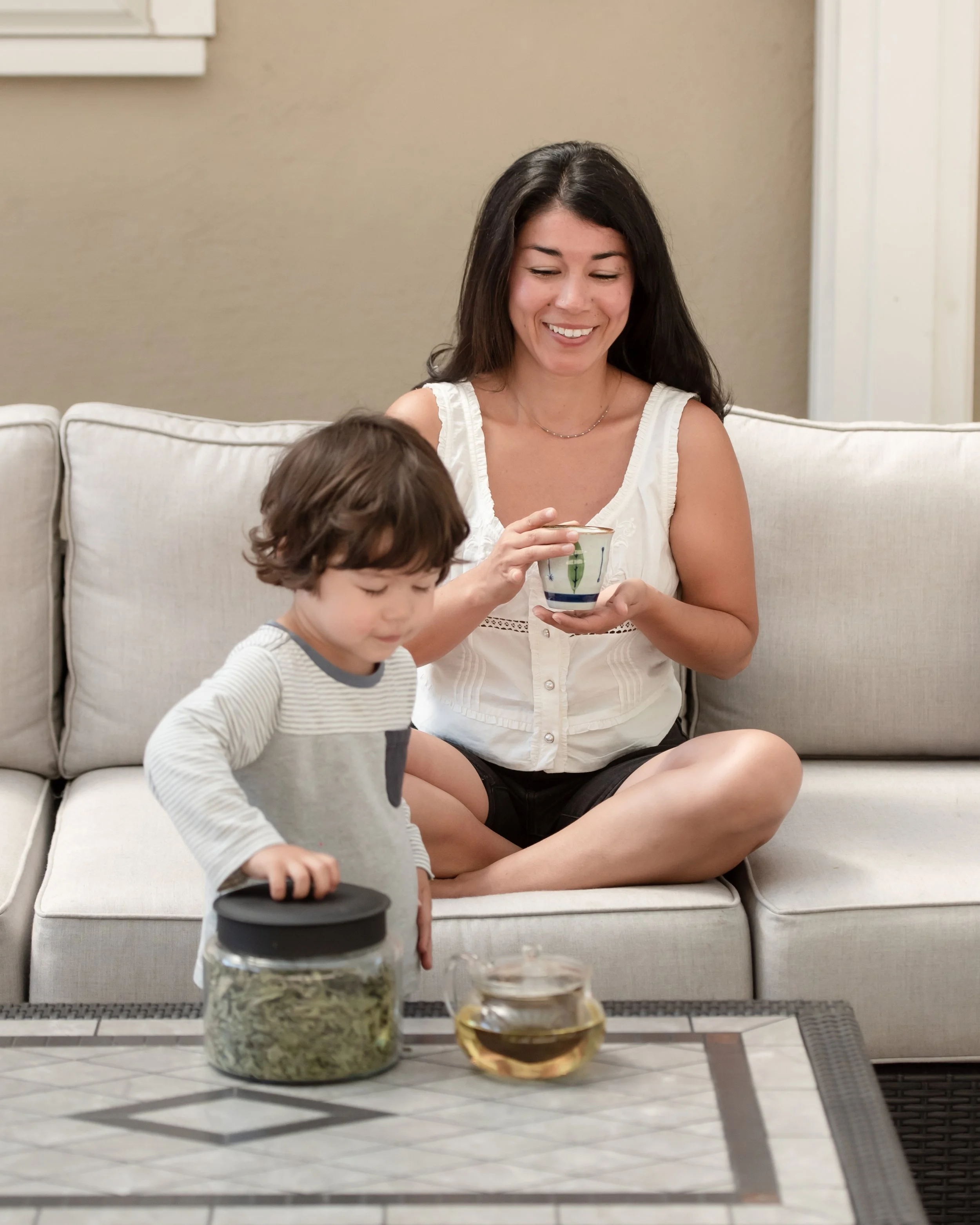
“Mama.” Still my favorite word to hear my son say.
Are you ready to hear that word, too?
I was running errands when I saw an email. I couldn’t wait to get back home to answer it.
The subject line read: “Seeking ideas to support return of ovulation.”
It was from a colleague who needed help with a client who had stopped ovulating (and menstruating) after unsuccessful IUI and IVF treatments.
I’ve encountered many women in similar circumstances.
IVF is the gold standard of “fertility care” in the U.S., and I can’t help but wonder WHY?
Its success rate is relatively low at 36% for women ages 33-37, 23% for women ages 38-40 and 7% for women over 40.
Technological advancements are happening every day, and yet something so human and basic in nature —fertility—is declining so rapidly that the U.S. is now below the repopulation rate.
Is this just a coincidence?
Should the answers to restoring fertility, then, come from nature, and not more technology?
In my experience, yes. When I began supporting the above client:
→ I gave herbs to clear out any remaining pharmaceuticals still in her system
→ Herbs to bring blood flow and energy back into the uterus
→ Herbal antidepressants to help buoy her spirit and soothe her nerves and anxiety
→ Herbs to support hormone balance, and stronger progesterone levels
→ Herbs to strengthen and tone her uterus
→ She learned how to chart her body’s fertility signs, allowing her to know herself better than ever, and for us to see how her body was positively responding in real time to herbal medicine, and the food and lifestyle changes she’d been making.
→ Lisa sat in the sun, and looked at the moon each evening, went barefoot into the grass every chance she got
→ She stopped interacting with friends and family who brought her more stress than good
Lisa quickly began ovulating again on her own, felt better physically and emotionally than she had in years, conceived naturally on her own within 6 months, and gave birth at age 43.
The answer was not more technology, it was nature.
Fertility and the ability to procreate is one of the most primal human experiences.
So when something is going awry with fertility, what would happen if you returned to the basic building blocks of what it means to be a human walking this earth?
If Lisa had only pursued IVF, she potentially would not have ever had her baby girl.
Lisa is one out of millions who go through fertility struggles in the U.S., and I’m so grateful her story ended with a healthy baby girl that she conceived naturally.
Are you actively trying to conceive?
Do you have a feeling there’s more to your fertility story and you want help figuring it out?
Conception might be the best path forward for you.
Veronica Ricksen, RH (AHG)
My path to working in holistic women’s health began by first having complete disregard for my body. This was reflected in early choices I made about my sexual health and fertility, and I have many regrets.
However! More importantly, I decided to make some changes.
Taking care of myself holistically catapulted me into the best career path I could ever imagine: helping other women resolve their fertility challenges, naturally.
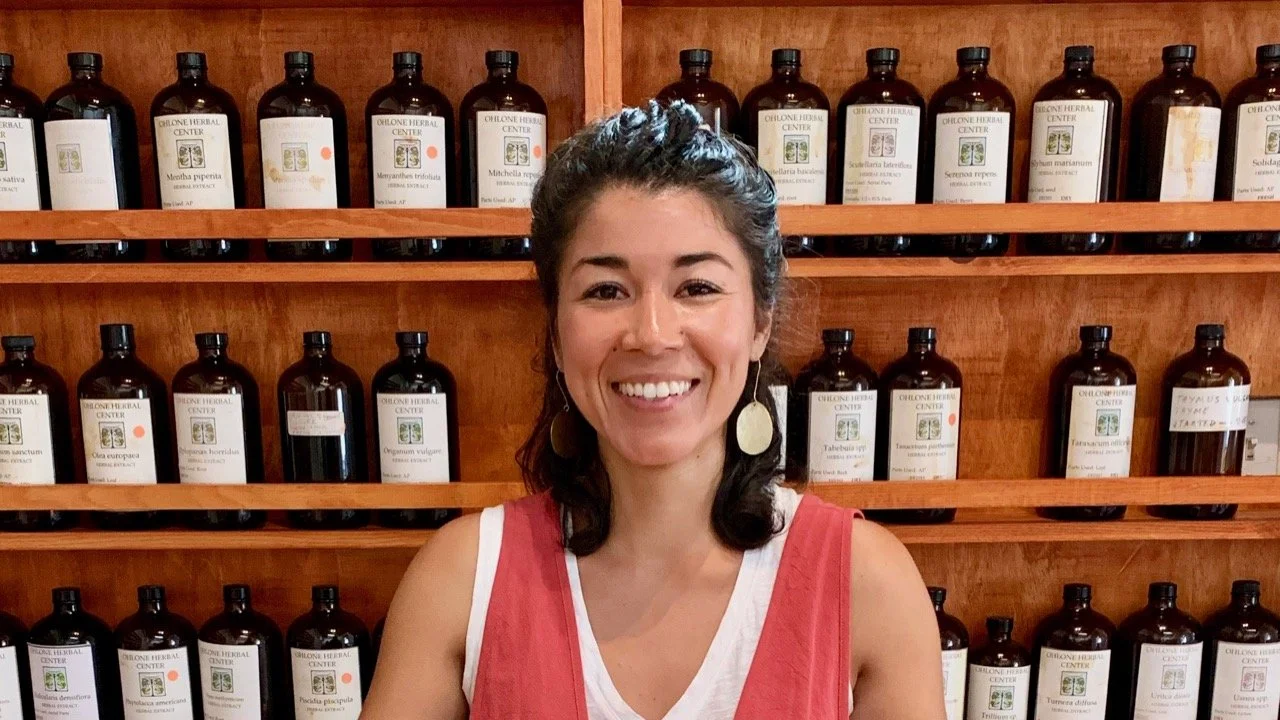
I’m now a Registered Herbalist and a certified Fertility Awareness Educator, mama to Kai, and wife to Mark. I live in the Bay Area of California, and work with clients virtually from all over.
I run my herbal + fertility education practice named Kapu, a Hawaiian word which translates to taboo or sacred, and also work at a fertility clinic.
Credentials
Clinical Registered Herbalist (AHG)
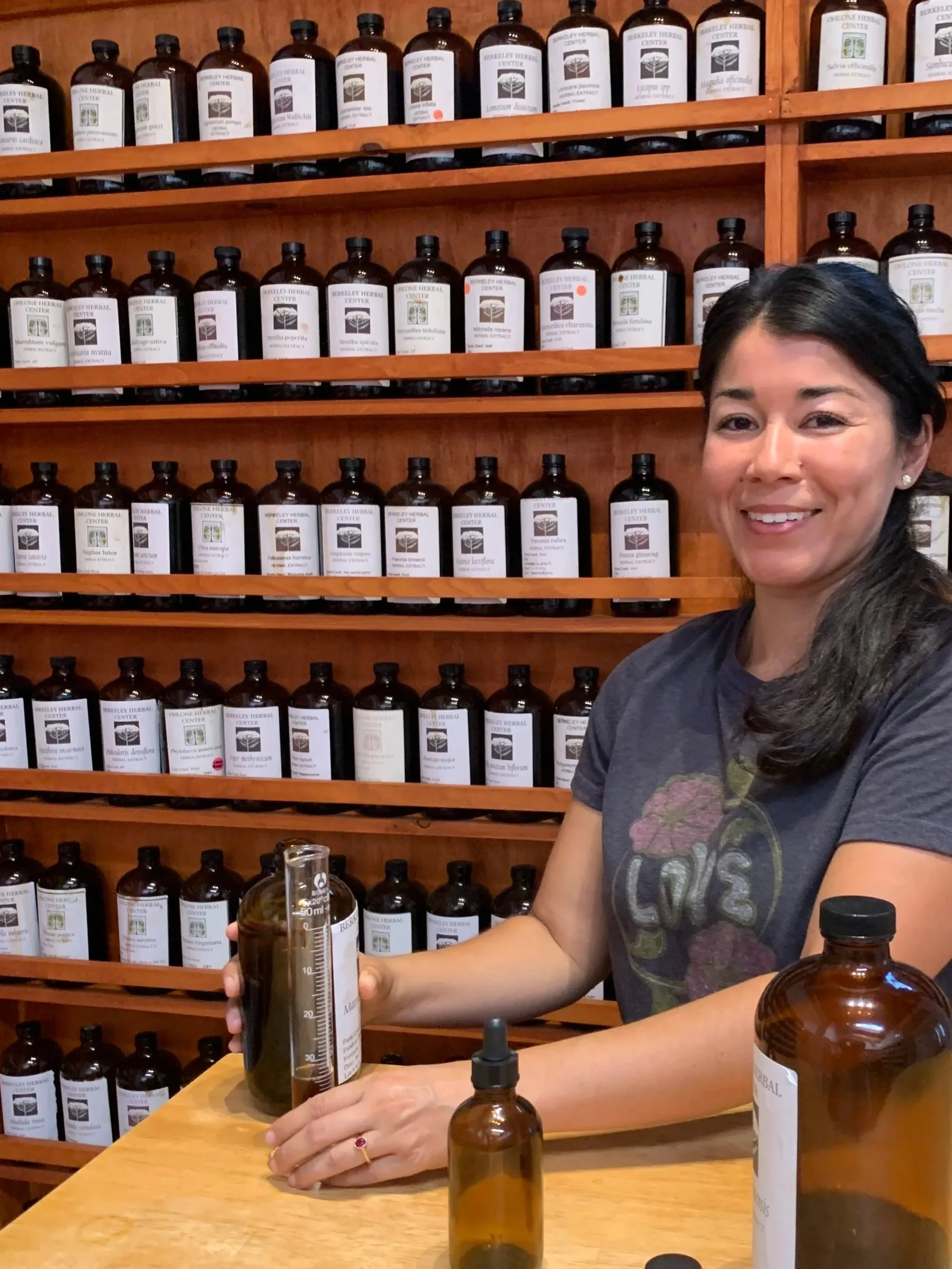
Clinic Advisor at Berkeley Herbal Center - 2 years
Certified Fertility Awareness Educator (SymptoThermal Method instructor)
Fertility Awareness Educator at a Fertility Clinic
Author of Menstrual Calendar Journal: Go with the Flow
Guest teacher at herbal study institutions and University of California, Santa Cruz
Case study published in the Journal of the American Herbalists Guild, Winter 2025:
The Use of Clinical Herbalism and the Fertility Awareness Method to Support and Assess Ovulatory Cycles in Women