
Estrogen: Too much (or not enough) of a good thing
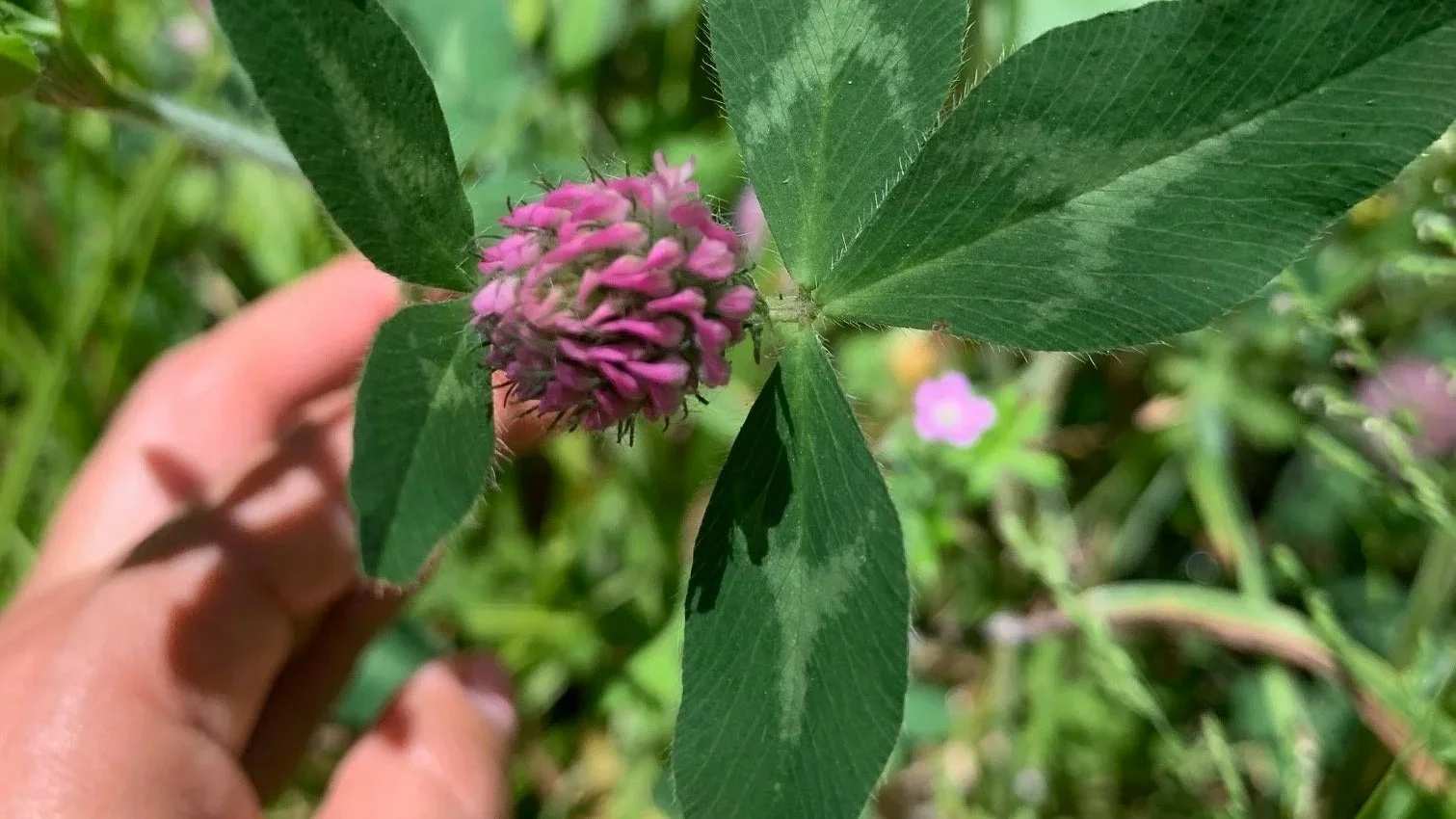
Red Clover (Trifolium pratense), a beautiful women’s health herb. Nutritive and estrogen protective.
Too much, too little, or just right?
Too much estrogen can lead to benign, and not benign, growths - from cysts, fibroids to cancer.
Not enough estrogen can cause us to feel lackluster, un-juicy and infertile.
There is so much more that too much or too little estrogen can lead to.
And once you know which direction you’re leaning, you can take action and rebalance yourself in as little as two to three menstrual cycles.
Having an ideal amount of estrogen flowing through our bodies may look and feel like:
healthy skin
healthy fertile-quality cervical fluid for a handful of days after menstruation, and which goes away after ovulation
robust energy
feminine curves
good memory and cognition (especially during the follicular phase of the cycle)
a good blood flow for at least two days during menstruation
libido
little to no physical or emotional PMS symptoms
So how can we gauge for ourselves whether or not we have ideal estrogen levels?
We can check in with ourselves and take note of how we are feeling throughout our menstrual cycles. Any symptoms popping up? How’s my energy and mood?
(Here’s my Menstrual Calendar Journal: Go with the Flow if you’re looking for a beautiful and functional way to chart your menstrual cycle and fertility signs.)
Charting emotions, symptoms, etc, is invaluable, yet there is something more in-depth and precise when it comes to monitoring the health of estrogen levels. It's called the SymptoThermal method which is a highly effective fertility awareness based method.
Sympto, meaning the symptoms your body produces as a result of fluctuating estrogen and progesterone levels (cervical fluid), and Thermal, meaning the temperature changes that occur in the female body after ovulation.
What’s involved?
Education of the method and of how your female fertility and physiology works, a basal body temperature thermometer, curiosity about your body, and dedication to chart your body’s fertility signs each day. That’s it!
Within a couple of cycles, you could see hormonal imbalances that you’re experiencing reflected on your fertility charts, and then you can take action to support healthy estrogen levels.
This usually includes changes in diet and lifestyle, and supplementing with herbs for a short while. All very simple, natural, inexpensive and sustainable things!
If you’d like to learn how to accurately and confidently chart your fertility signs as a way to improve your fertility naturally, check out my program, Conception.